Home / Stop 10
Stop 10 · Make Dilon yours · 31–35 minMake Dilon yours
You don’t need a dalmatian. You need a values character that grows from your campus and culture, carries one big question, and stays openly pretend. Here are seven steps, each with how we did it at DCB, and a card to fill in for your own.
From your values to a friend on the carpet
Start with the values you already have
Your school motto, learner profile or values. Don’t invent a new set; find where digital life belongs among them.
At DCBThe DUCKS values friends were already in every Early Years room. Dilon joined them as the eighth friend.Find the gap in children’s lives
What are your children meeting that no value covers yet? Devices at home, voices in speakers, photos of them online.
At DCBThe seven friends needed a value friend who captured digital citizenship and safety.Choose a character that fits your culture
An animal or creature children recognise, easy to draw and warm. Check its meaning across your community’s languages and families.
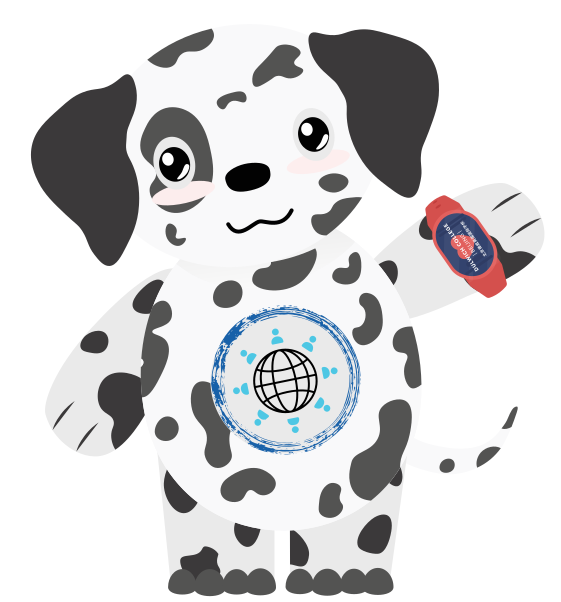
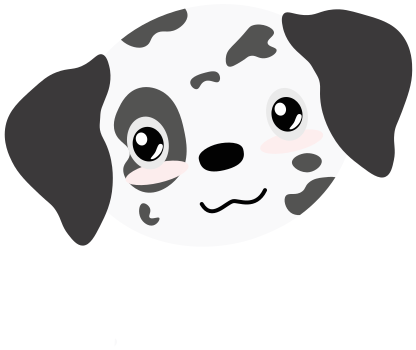
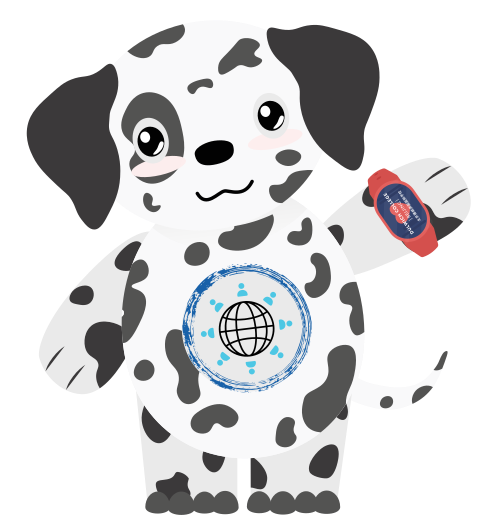
At DCBA cartoon dalmatian, designed to sit alongside the seven friends children already knew.Give it a name and one big question
A name that’s easy to say in your languages, and a question rather than a rule, so children think instead of recite.
At DCBDigital Citizen Dilon asks: “How do we stay safe and responsible when using our iPads?”Write its card
Use the same card as your other values: “I can” statements, questions for adults, books, songs and words that mean the same.
At DCBEvery DUCKS friend has this card. Dilon’s “I can”: two gentle hands, technology back in its home, find a grown-up.Keep it openly pretend
Teacher-voiced and scripted. It can’t answer back, remember children or follow them home, and it always says goodbye.
At DCBTeachers note that Dilon and the value friends don’t exist like we do, which is why we say bye.Bring it off the screen, and let it grow
A poster, a video, a puppet or plush, and a station in the room. Partner it with existing friends, grow it from your youngest class upward, and check in on how children respond.
At DCBA poster, then an animated video, then lessons Nest to Year 2 with Responsible Ryan, and now a plush at the tech station.
Step 6 is the safeguard. Children learn more from characters they feel close to (Calvert et al., 2020), and the more real a character seems, the stronger the bond (Rosaen & Dibble, 2008). Keeping your character drawn, scripted and openly pretend keeps it low on that scale, and the goodbye makes the line visible every time. Step 7 has support too: toddlers who cared for a plush version of a character learned more from it on screen (Gola et al., 2013), puppets help open conversation (Kröger & Nupponen, 2019), and most children outgrow a favourite character within a few years, so plan for that as they move up (Aguiar et al., 2019). The honest part →
Draft your own values friend
The same card DCB uses for every values friend. It’s kept in this browser and goes onto page 3 of your plan PDF.